
Converting Your 'Detractors' Into 'Promoters'?
Why is identifying detractors important?
Detractors use negative word of mouth - A delighted customer will tell 10 people about their delightful experience, but detractors will tell a lot more. Detractors after churning and before churning, detractors will spread bad word of mouth, affecting your brand’s reputation. As per a recent study, 75% of customers said they shared negative feedback or experience as opposed to 42% of customers who shared positive experiences.
Detractors affect your sales and revenue - Detractors do not buy from you and also affect your sales through negative word of mouth. This directly adversely affects your business revenue. It is highly expensive to acquire new customers than retaining existing ones. When detractors leave, it forces them to look for new customers and also repair the damage that detractors may have caused due to negative feedback about your brand’s products and services.
Detractors are a churn risk - Customer churn is the percentage of consumers that have stopped buying or using your products for a period. They may have switched to a competitor brand of yours. Detractors may switch to another brand at the earliest opportunity. A study by Inc.com suggested that about 50% of detractors will likely to churn within ninety days. The higher the churn rate, the severe are the losses to revenue and profits.

6 steps - Turn Detractors into Promoters
Promoters are loyal customers and fierce brand advocates, contributing significantly to the brand’s business revenue. We have outlined some key steps for you to follow and transform your detractors into promoters.
1) Don’t be afraid of complaints
No matter what organizations would like to believe, there are usually more unsatisfied customers than satisfied. Complaints are nothing to be afraid of because for each customer whose complaint you handle well, most will remain loyal to you and still recommend you to other potential customers.
2. Put your own feelings aside, act promptly and stay calm
Whenever there are customer queries or complaints, make sure you resolve them right away. The best way you can handle a complaint is by not letting your personal emotions get in the way and calmly listening to what they have to say. When you get to the heart of the matter quickly, you are more likely to satisfy the customer and calm them down.
3. Don’t challenge their complaint
When customers face a problem, it may not be a unique situation for you, but it is for them. It’s human instinct to get defensive and to want to tell a customer that they are wrong in something they’re saying but that definitely won’t help you solve the issue at hand. To stop the customer from getting any more upset about their complaint, make sure the customer feels that they are being listened to.
4. Close the loop
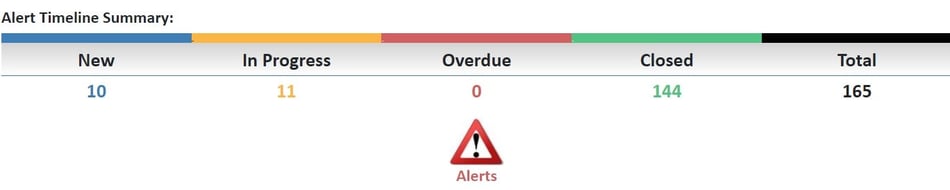
You need to respond to your detractors quickly and resolve their concerns and queries politely is important. That is not the only step; you need to share their feedback and data with other functions to improve customer experience. Fully utilize the ASK LISTEN RETAIN process to close the feedback loop. It helps in capturing their customers’ journeys at several touchpoints and gathering insightful data. Understand customer behavior to know what factors drive it.
Once you’ve identified a detractor, you must quickly follow up with the customer and see how you can make the situation right. If they’re taking time to give you feedback, you should acknowledge it. This can be as simple as an email or phone call to ask about their most recent experience with the company. Explain why you’re following up with them, and don’t get defensive. This is a chance to understand their viewpoint and prevent spreading negative word-of-mouth. It’s also helpful to follow up if the customer hasn’t left a reason for their score, so you understand how you can improve the situation both for them and for customers who may have the same issue in the future.
For full description of best practices of using the RETAIN page, click here!

5. Learn from mistakes
Unsatisfied customers are your biggest source of knowledge
They will help you improve your customer experience and satisfaction. It is not merely about boosting your NPS score by an ‘X’ amount of points or having a better score than your competitors. It is about building trust and ensuring that you have their best interests at heart. A customer that was annoyed by a less than favorable experience can be your biggest advocate if you address their concerns properly and timely.

6. Deliver on promises
Many organizations are guilty of over- promising and not keeping up with it
Be it about product features, resolving customer queries, or something else. Only make assurances that you can keep and deadlines that you can meet. If you are unable to find a viable solution, be upfront about it, and propose the next best solution. If issuing a refund is going to make your detractors happy, do that!
.png?width=647&height=500&name=Full%20Courses%20-%2050%25%20off-1%20(1).png "Full Courses - 50% off-1 (1)")